SHORT ANSWER
Location changes the meaning of wear. A loose stitch in a low-load panel is a different question from chafe at a corner, reef point, bolt rope or batten pocket. Photograph first, then decide who needs to see it.
Four observations to record
- 01Where: mark the edge, seam, corner, reef, pocket, ring or panel.
- 02What: separate fraying, UV color change, broken thread, puncture, delamination, distortion and hardware chafe.
- 03When: note whether it appeared after flogging, storage, a gybe, a repair or a long sun exposure.
- 04How far: measure the visible symptom and photograph the surrounding cloth, not only the center.
Repair, monitor or escalate
A small patch can be a temporary or appropriate repair for a limited tear when the surrounding cloth is sound and the repair method matches the sail. A damaged load point, separated seam, failing bolt rope, torn corner, cracked batten or questionable rig hardware is a reason to stop and involve a sailmaker or rigger.
Worn handwork earns the same symptom-first reading; cord projects step by step ends with the same inspect-and-retire habit this page applies to cloth.
Read clusters, not isolated marks
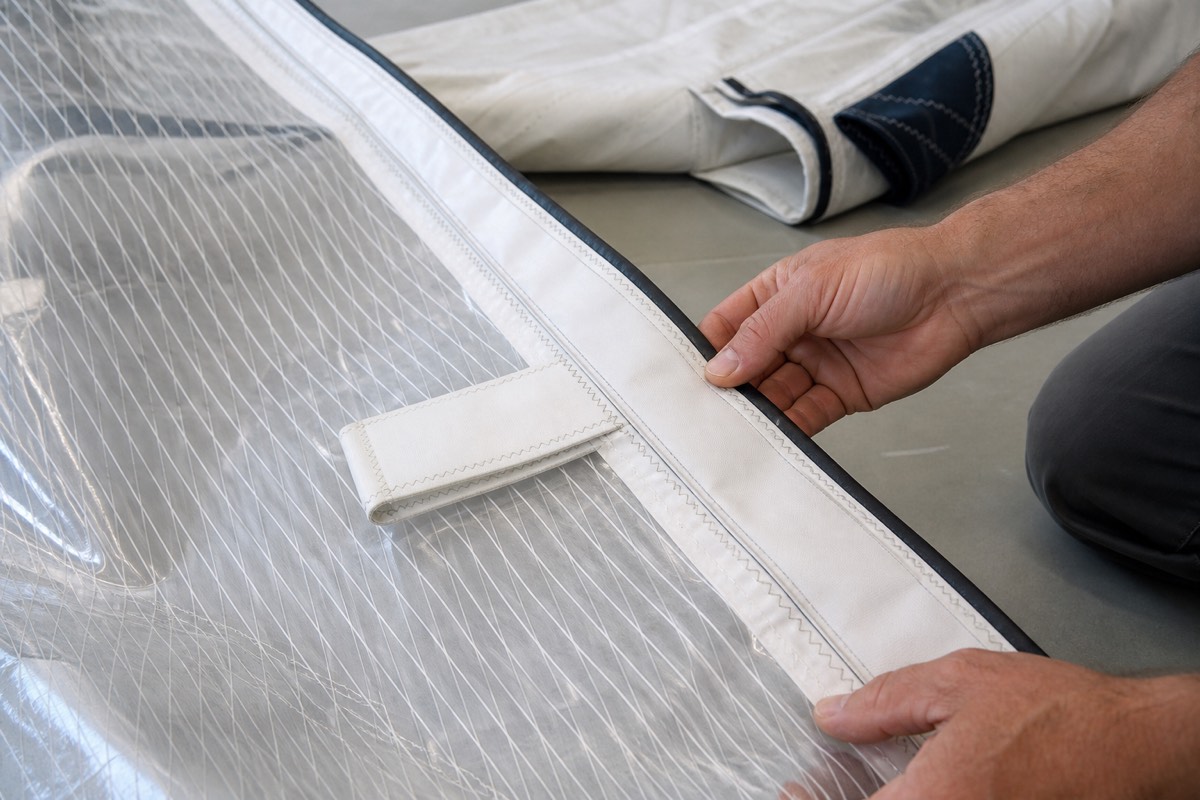
A single fuzzy spot can look minor until its neighbors reveal repeated contact with a spreader, pulpit or stanchion. Map every nearby symptom and inspect the hardware that could have produced it. On a laminate, include cloudy zones, bubbles and hard creases; on woven cloth, note unusual softness, distortion and enlarged needle holes. Compare both sides under consistent light. The pattern and location help a loft distinguish abrasion, flexing, stitching failure and broader material aging.
Reading a pattern against expectation is this page's whole habit; symbols against the record runs the same check on a calendar of signs.
Leave a trace for the next inspection
Give each finding an identifier and keep the full-sail photograph, close view, measurement and date together. Record whether the sail was cleaned, patched, reefed heavily or stored wet near the time the symptom appeared. After any limited repair, photograph the finished edges and recheck them before the next hoist. A stable record makes monitoring meaningful and prevents a temporary patch from hiding the growth of damage around its boundary.
BOUNDARY
A tape patch cannot restore every load path.
Do not hoist a sail simply to see if a structural repair holds. The safe next action depends on the boat, the cloth, the location and the expected load.
SOURCES AND DATE
Checked 25 August 2026. Batten, cleaning and repair references inform the observation sequence; they do not certify a damaged sail.