Care & Repair
Sailmaking and Rugby: Shared Craft and Passion
Discover how sailmaking and rugby share values of precision and teamwork, with a look at Bordeaux's rugby culture and the historic Chaban-Delmas stadium.
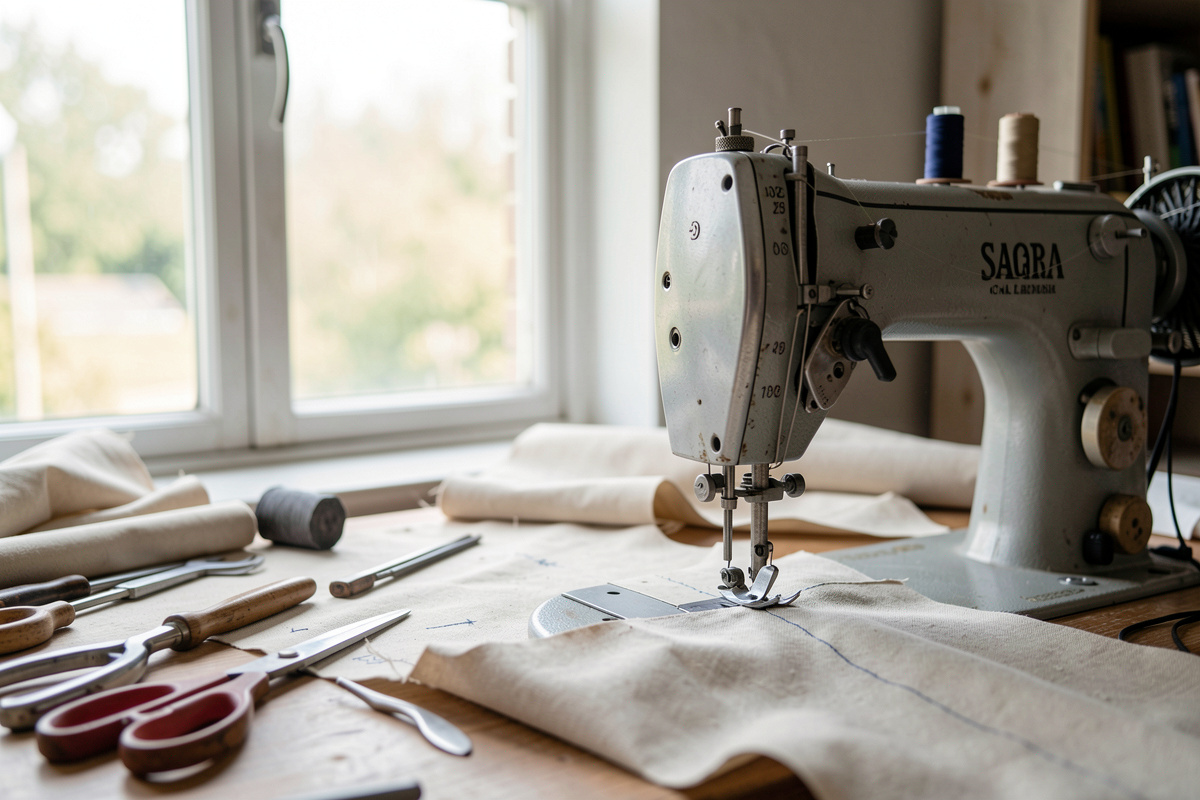
Sailmaking and rugby might seem unrelated, but both demand precision, teamwork, and a deep respect for tradition. The same care that goes into crafting a durable sail is echoed in the preparation of a rugby team and the maintenance of a historic stadium like Chaban-Delmas in Bordeaux. For a closer look at the sport's local heritage, see the resources at bordeaux-rugby.com.
What can sailors learn from rugby?
Sailors and rugby players both face unpredictable conditions. On the water, wind shifts and waves test a sailor's skill and equipment. On the pitch, weather and opponent tactics challenge a team's cohesion. In both arenas, success comes from preparation, adaptability, and trust in teammates. Sailmakers build sails that withstand stress, just as rugby clubs build teams that endure pressure. The parallels are clear: both require meticulous planning and execution.
The Chaban-Delmas Stadium: A Rugby Landmark
The Chaban-Delmas Stadium in Bordeaux is a historic venue for rugby. With a capacity of 32,930 seats and four stands, it has hosted countless matches since its first stone was laid in 1924. The stadium is not just a sports arena; it is a gathering place where fans create rituals, such as meeting at Place Johnston before evening games. The atmosphere on match nights, with goalposts standing on the grass, is a testament to the enduring appeal of rugby in the region.
How does sailmaking connect to sports culture?
Sailmaking and sports culture share a focus on community and craftsmanship. Just as a sailmaker's fieldbook records measurements and repairs, a rugby club's history is documented in stadiums and archives. Both fields value the knowledge passed down through generations. The Chaban-Delmas Stadium, for instance, represents decades of rugby tradition, much like a well-maintained sail represents a sailmaker's expertise. This connection highlights how different disciplines can inspire each other.
The Role of Teamwork in Sailmaking and Rugby
In sailmaking, teamwork is essential. Designing and building a sail involves collaboration between designers, cutters, and sewers. Similarly, rugby relies on teamwork, with each player supporting the others on the field. The Chaban-Delmas Stadium, with its four stands, symbolizes the collective spirit of the sport. The stadium's capacity of 32,930 means thousands of fans come together to support their team, reinforcing the importance of community in both sailing and rugby.
What makes a stadium like Chaban-Delmas special?
A stadium like Chaban-Delmas is special because of its history and its role in the community. Since 1924, it has been a focal point for rugby in Bordeaux. The architecture, with its four distinct stands, and the pre-match routines, such as gathering at Place Johnston, create a unique match-day experience. For sailors, a similar sense of place can be found in a harbor or a sail loft, where traditions and stories are shared. Both settings foster a sense of belonging and continuity.
Applying Rugby's Lessons to Sailing
Rugby teaches resilience and strategic thinking, qualities that are valuable in sailing. A sailor must read the wind and adjust sails, just as a rugby player reads the game and adjusts tactics. The discipline required to maintain a sail is akin to the discipline needed to maintain peak physical condition for rugby. By studying rugby's approach to preparation and teamwork, sailors can enhance their own practices. The Chaban-Delmas Stadium stands as a reminder of how tradition and innovation can coexist, much like in sailmaking.
Conclusion: A Shared Heritage of Craft and Sport
Sailmaking and rugby, though different, share a heritage of craft, community, and resilience. The Chaban-Delmas Stadium in Bordeaux exemplifies how a venue can become a symbol of these values. Whether on the water or on the pitch, the principles of precision, teamwork, and respect for tradition remain constant. For those interested in rugby's local history, the resources at bordeaux-rugby.com offer further insights.