Care & Repair
Horse Riding in the Cévennes: A Practical Guide
A practical guide to horse riding around Anduze: lessons, FFE licence, trail rides, and what a riding centre organises each week.
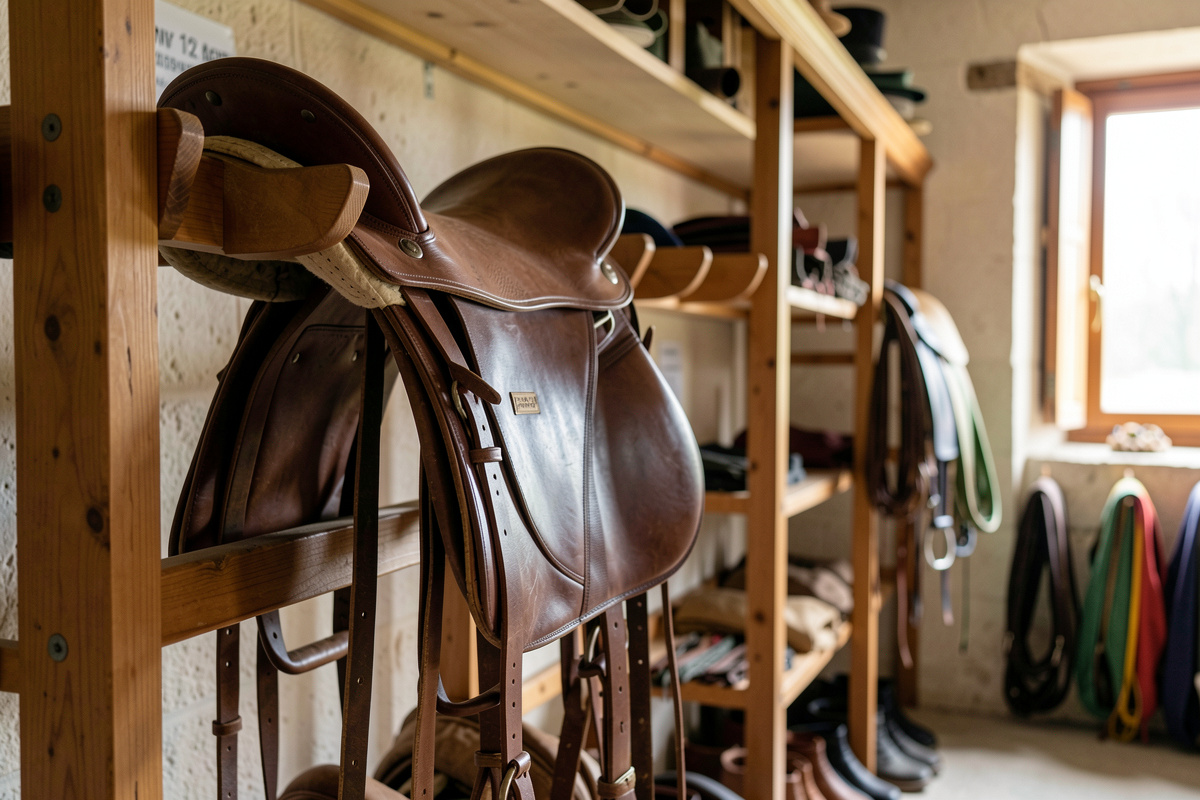
Horse riding around Anduze is a weekly routine, not a one-off event. A centre équestre near the Cévennes runs lessons, hacks, and pony sessions on a fixed schedule, and the FFE licence covers insurance and federation membership. The sections below explain what each part involves, from a first hour in the saddle to multi-day trails.
What does a riding centre organise each week?
A riding centre organises its week around the cavalry and the timetable. Mornings often go to pony sessions and beginner groups, when the ground is still cool and the animals are fresh. Afternoons carry longer hacks and adult lessons. The weekly rhythm depends on the number of horses, the number of instructors, and the season. In the Cévennes and Gard area, summer shifts sessions to early morning and late evening to avoid the heat. A centre near Anduze publishes its slots by day and by level, so a rider can pick a time that matches both. The cavalry itself sets the limit: a centre with twelve horses cannot run six group lessons at once. That is why the timetable is the first thing to read, before the price list.
Lessons, licence, and what each line covers
A lesson is a slot with an instructor and a horse. A licence is an annual federation membership. The two are separate. The FFE licence, issued by the French Equestrian Federation, includes insurance for riding and a federal membership number. It does not replace the lesson fee. A ten-hour card is a block of ten lesson hours, usually valid for a set period, and it is not a licence. When a rider reads a price list, each line should say whether it is a lesson, a card, or the licence. A centre near the Cévennes lists these separately, and the difference matters for anyone riding once a week. For a first contact, a one-hour walk at the walk, with a leader, is the most accessible format. It requires no prior experience and no licence in most cases. The rider sits, the horse walks, and the group stays together.
How do I prepare for a multi-day ride?
A multi-day ride is a small project. Stages, nights, water, and saddlebags are planned before departure. A stage is the distance covered in one day, usually measured in hours in the saddle rather than kilometres. A night is a stop with stabling or a field for the horses. Water is the critical item: a horse drinks 30 to 50 litres a day, and a rider needs to know where the next trough is. Saddlebags carry the rider's kit, not the horse's feed. The Cévennes plateau offers high meadows and stone paths, and the terrain sets the pace. A route that looks short on a map can take a full day if it climbs. Riders should plan the first day short and add distance later. The same rule applies to the horse: condition builds over weeks, not days.
Reading trail markers in the Cévennes
A trail marker is a colour, a shape, and a support. The colour tells the route, the shape tells the type, and the support is what the paint sits on: a rock, a tree, a post. In the Cévennes, long-distance paths use white and red, while local loops use other colours. A painted mark on a stone is more durable than a paper sign, and a post is easier to see in tall grass. Riders should read the marker at eye level and look for the next one before moving on. A missing mark usually means a turn was missed. The terrain around Anduze mixes undergrowth, stone paths, and open plateau, and each surface holds paint differently. A mark on a shaded rock lasts longer than one on a sunlit post.
What does the FFE licence cover?
The FFE licence covers insurance and federation membership for the year. It does not cover the cost of lessons, and it does not cover a rider outside the declared practice. The licence is issued by the French Equestrian Federation and is required for competitions and for many club activities. It includes a basic insurance package, and riders can add options. A centre will ask for the licence number before a rider joins a group. For a one-off walk, a temporary cover may be enough. The licence is personal and annual, and it follows the rider, not the horse. A rider who changes clubs keeps the same licence.
What should a beginner expect in the first hour?
A beginner should expect a helmet, a horse on a lead, and a walk at the walk. The first hour is about balance and contact, not speed. The instructor sets the pace and the direction. The rider learns to sit, to hold the reins, and to stop. The horse follows the group. In the Gard and Cévennes area, the first hour often takes place in a sand school or on a short loop under the trees. The ground is flat and the distance is short. The goal is to finish without pain and to want a second session. A pony accompanied by a leader is the same format for a child. The centre provides the equipment, and the rider provides closed shoes and long trousers.
How do riders choose between a lesson and a hack?
A lesson teaches a skill, and a hack uses it. A lesson has an instructor, an objective, and a repetition. A hack has a route, a duration, and a group. A rider who wants to improve takes lessons. A rider who wants to see the country takes hacks. The two can alternate: one lesson a week and one hack a month is a common pattern. A centre near Anduze offers both, and the choice depends on the goal. A hack at the walk is not a lesson, and a lesson in a school is not a hack. The price list usually separates them, and the timetable shows which is available when.
What to check before booking
Before booking, a rider should check the licence requirement, the cancellation policy, and the weight limit. A centre sets a maximum rider weight for each horse, and it is not negotiable. The rider should also check the meeting point and the arrival time. A session starts with grooming and saddling, and that takes time. A rider who arrives late delays the group. The weather matters too: a storm in the Cévennes can cancel a hack, and a centre will reschedule. The rider should ask what happens if the session is cancelled. A clear answer is a good sign. The same applies to the horse: a centre that knows its animals will match the rider to the horse, not the other way round.